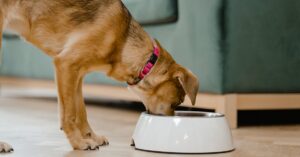
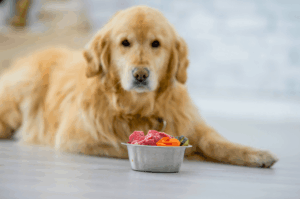
We've all experienced the moment the dog he implores us for a bite from our food, and we succumb to the temptation! Ultimately, however, we are right or we're harming our health? Our dog has different nutritional requirements from us.
By extension, there are foods that are safe for the body and are recommended because of the beneficial action, but also foods that are dangerous and should be avoided. Below you will see in detail, what popular foods that often we have at our table they belong to the first category and which in the second!
- Meat
The more types of meat (chicken, turkey, lamb, beef, rabbit, etc.) are considered safe for dogs, except in the case of διαγνωσμένης allergy. It is recommended to avoid processed forms of meat (eg. sausage), fast food (eg. kebab) or cooked in a special way (eg. beef stew), due to the high content of fat, sodium, or spices.
- Dairy products
The majority of adult dogs show lactose intolerance, with the result that metabolize better foods low in this one. For this reason, various kinds of milk should be avoided and preferred products like sheep's yogurt and kefir. Most types of cheese are considered to be high in sodium, and it is recommended to avoid them, with the exception of cottage cheese and unsalted cottage cheese, which is often proposed as a digestible sources of protein in cases of animals with a sensitive gastrointestinal system.
- Vegetables and fruits
Most of the vegetables and fruits are considered to be safe and beneficial for dogs, because of their content of minerals, trace elements, vitamins, glucose and antioxidants. Beneficial vegetables are considered to be the carrot, broccoli, pumpkin, beetroot, potato, pumpkin, cucumber and spinach. Respectively, options, beneficial fruit is the apple, pear, banana, watermelon, strawberry and blueberries. Because the digestive system of dogs is not designed for high consumption of plant foods, it is proposed that the administration in chopped form, without peel, and, depending on the species, cooked (eg. beetroot, potato). Exception safety are the members of the family of Allium (onion, garlic, leek, chives), which are considered unsafe due to the presence of chemical compounds that destroy the cell membranes of red blood cells in the blood, thus causing hemolytic anemia. Just as not safe are considered the grapes, due to the correlation of consumption with symptoms of renal failure.
- Various seeds and fruits
Seeds such as Chia seeds, these pumpkin seeds and sunflower seeds and nuts such as almonds and peanuts are considered as safe sources of fatty acids and antioxidants. The same goes for the butter (eg. peanut butter, almond butter), since it is 100% natural, without the addition of sweeteners, especially xylitol. A basic prerequisite for the granting of seeds and fruits is to stay in water (soaking) to remove the phytic acid-containing (which prevents the absorption of other nutrients) and mash them for better digestion. Not safe are considered to be the nuts, Macadamia, black walnuts and raisins, due to the correlation of consumption with incidents of intoxication.
- Chocolate and sweets
The foods listed within the article as safe are addressed in healthy animals, without diseases related to diet. In dogs with renal disease, it is recommended that the avoidance of certain meat and vegetables while in dogs with a sensitive stomach is discouraged by the administration of vegetables and fruits rich in fibers, due to possible irritation. In cases of animal patients, the administration of natural food (either as a treat or as a main diet) is possible, and often useful, provided that it is done on a guidance specialist nutritionist animals, in cooperation with the attending veterinarian.