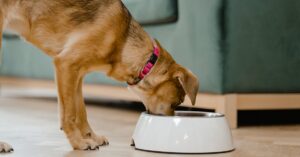
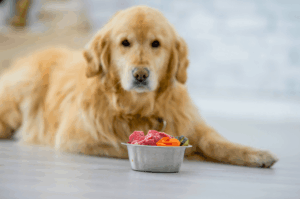
As in humans, and in animals the diet is the alpha and the omega for the good health of the body. With a complete and balanced diet, we can either prevent diseases, such as obesity or to eliminate it completely, as the food allergy. Unfortunately, many times, as the guardians of animals, we make mistakes without being aware of how significant an impact it can bring to the health of our little friend. Let's see the most common of these!
- The main food that we choose is not complete or/and balanced
On the packaging of the main food there must be the description "full of food", and the list of ingredients. The term "full" is derived from the legislation and means that the food contains all the nutrients (amino acids, fatty acids, minerals, vitamins) that the body needs of an animal. Many commercial is not complete but designed for supplementation, which makes them unsuitable for daily use as main food.
- The food that we have chosen is not appropriate to the age of the animal (puppy, adult, υπερήλικο), the phase (pregnancy, lactation) or the requirements of the health (healthy, pathological problems, etc.)
Every animal has different nutritional requirements in order for the body to function in an optimal manner. Especially in the case of specific requirements (eg. pregnancy) or pathological problems, improper diet, over insufficient, can prove to be dangerous.
- We choose food on the basis of the label and, more generally, advertising
The attractive packaging and many of the descriptions are often misleading. For example, many foods bearing the description "holistic", inspired by the term "holistic" is used widely in the human diet and is associated with the cover all the needs of the organization, and not only specific aspects. However, in the feed industry, there is no official definition of "holistic" diet, with the result that any company can use it freely in its own way.
- Give large quantity of treats
A full commercial feed is designed to cover up our pet, if we give only that the amount printed on the packaging. The delicacies are anything conjointly outside the main food of the pet, such as cookies rewards, the sticks of oral hygiene, the slices of turkey or cheese, etc. As most of the treats we give, so we're canceling" the main food, because we allow her to act as designed. To avoid this, the calories from treats should not exceed 10% of total calories per day. The administration of the above quantity of delicacies carries the risk of unwanted weight gain (due to excess calories), and pancreatitis (and the extra calories are stored as fat in the body). The replacement of part of the main food-treats so as not to reduce the latter is not a solution, because the treats aren't full of nutrients, with the result that our pet may not feed correctly in the long term.
- We grant our own food, considering how they affect the body of the animal as our own.
Often we give in our puppy 1 slice of cheese or turkey, considering how it's a small amount and will not affect the weight of the. For a dog, however, 5-10 kg, 1 slice of cheese means a lot more calories than that for a man of 60 kg.
- Cook for the pet without the advice of a specialist.
Cats and dogs have a different metabolism from us, and therefore, different nutritional requirements. By extension, there are foods that are safe for the body (for example, meat, carrot, broccoli, apple, banana) and foods that are dangerous and should be avoided (e.g., onion, grapes, raisins, chocolate, certain nuts, products with sweeteners). Our foods are often not suitable, because of the dressing, and/or spices that they contain. In the case that we want to cook we do for our pet, we need to know the appropriate proportions of the materials, because some species need to be avoided in large quantities due to the high fat, sugar or substances which carry a maximum consumption limit (eg. vitamin A). Also, you need to take into account any health problems, and not all of the recipes suitable for all cases (e.g., in animals with kidney disease, it is recommended that the avoidance of certain meat and vegetables).